
About RIOC
Learn about the Roosevelt Island Operating Corporation and our mission.
About Us
The Roosevelt Island Operating Corporation (RIOC) was created in 1984 by the State of New York as a public benefit corporation with a mission to plan, design, develop, operate, and maintain Roosevelt Island. With a focus on innovative and environmentally friendly solutions, RIOC is committed to providing services that enhance the island's residential community. RIOC manages the two-mile long island's roads, parks, buildings, a sports facility, and public transportation, including the iconic aerial tramway. Additionally, RIOC operates a Public Safety Department that helps maintain a safe and secure environment for residents, employees, business owners, and visitors.
Mission
The Roosevelt Island Operating Corporation (RIOC) was created in 1984 by the State of New York as a public benefit corporation with a mission to plan, design, develop, operate, and maintain Roosevelt Island. With a focus on innovative and environmentally friendly solutions, RIOC is committed to providing services that enhance the island's residential community. RIOC manages the two-mile long island's roads, parks, buildings, a sports facility, and public transportation, including the iconic Roosevelt Island Tramway. Additionally, RIOC operates a Public Safety Department that helps maintain a safe and secure environment for residents, employees, business owners, and visitors.
History
Welfare Island
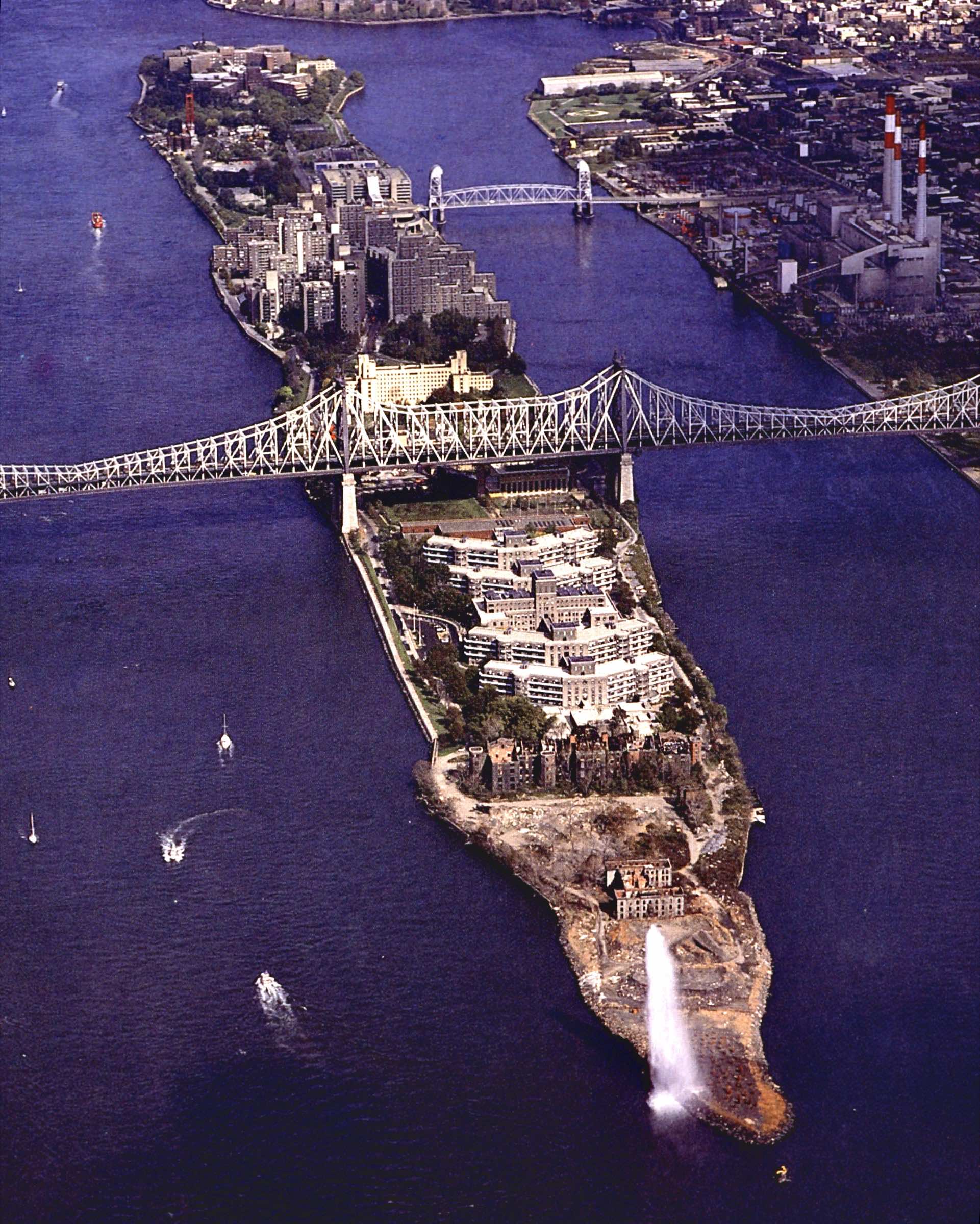
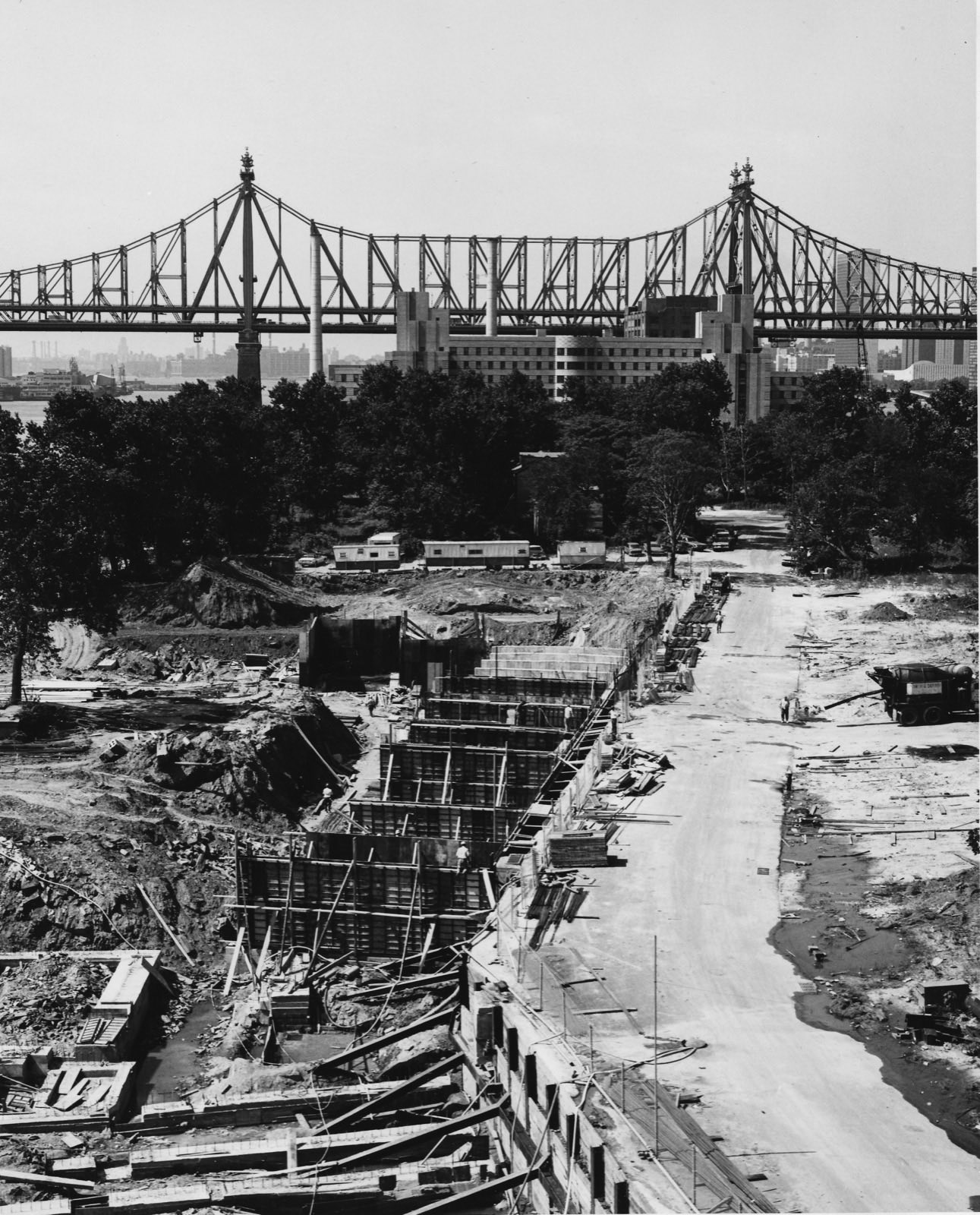
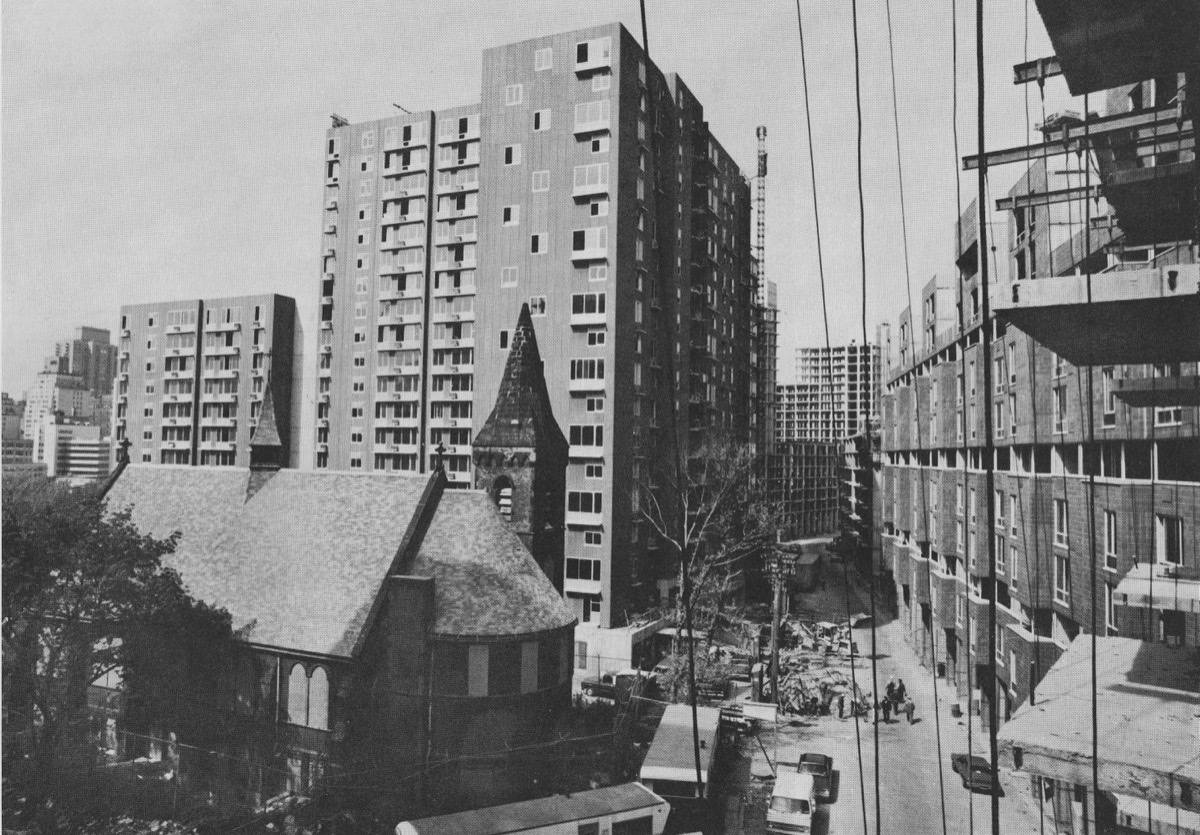
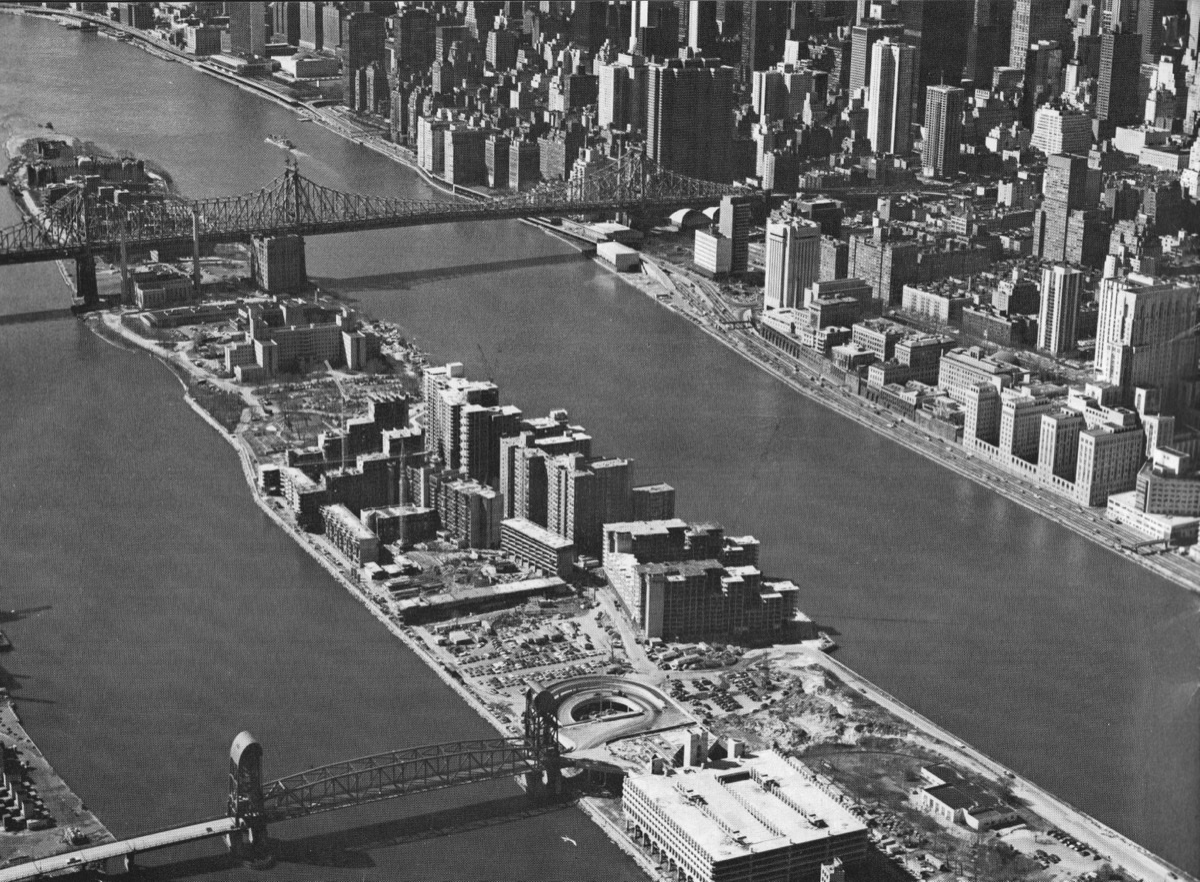
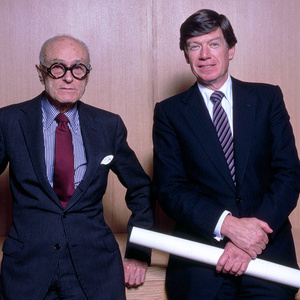
1969Welfare Island in 1969 was a shell of its former self. Many of its institutions that buzzed with life had dispersed across the city, leaving much of the Island behind to decay. The large amount of underutilized land presented a canvas for ideas on how it could be best used. Mayor John V. Lindsay would utilize the NYS Urban Development Corporation, established under Governor Nelson Rockefeller in 1968, to put forward a plan to redevelop the Island. Beginning in 1967, the Welfare Island Planning and Development Committee and Philip Johnson & John Burgee Architects would undergo a two-year process to thoroughly document Welfare Island's condition and prepare a proposal for its redevelopment. The surveying that took place was critical in the understanding of Welfare Island's history and how to maximize the Island's potential as New York's next neighborhood.
City Hospital
City Hospital took in the city's sick and destitute population. Over its 120-year history, the hospital changed names four times, also being known as: Island Hospital, Charity Hospital, and Renwick Hospital. The hospital's final days were in 1957 when patients were relocated to the newer Elmhurst Medical Center. The campus quickly deteriorated after vacancy and by 1969 the buildings were showing accelerating signs of decay. The main hospital building, with its mansard roof, was noted for rehabilitation in the 1969 Island survey.
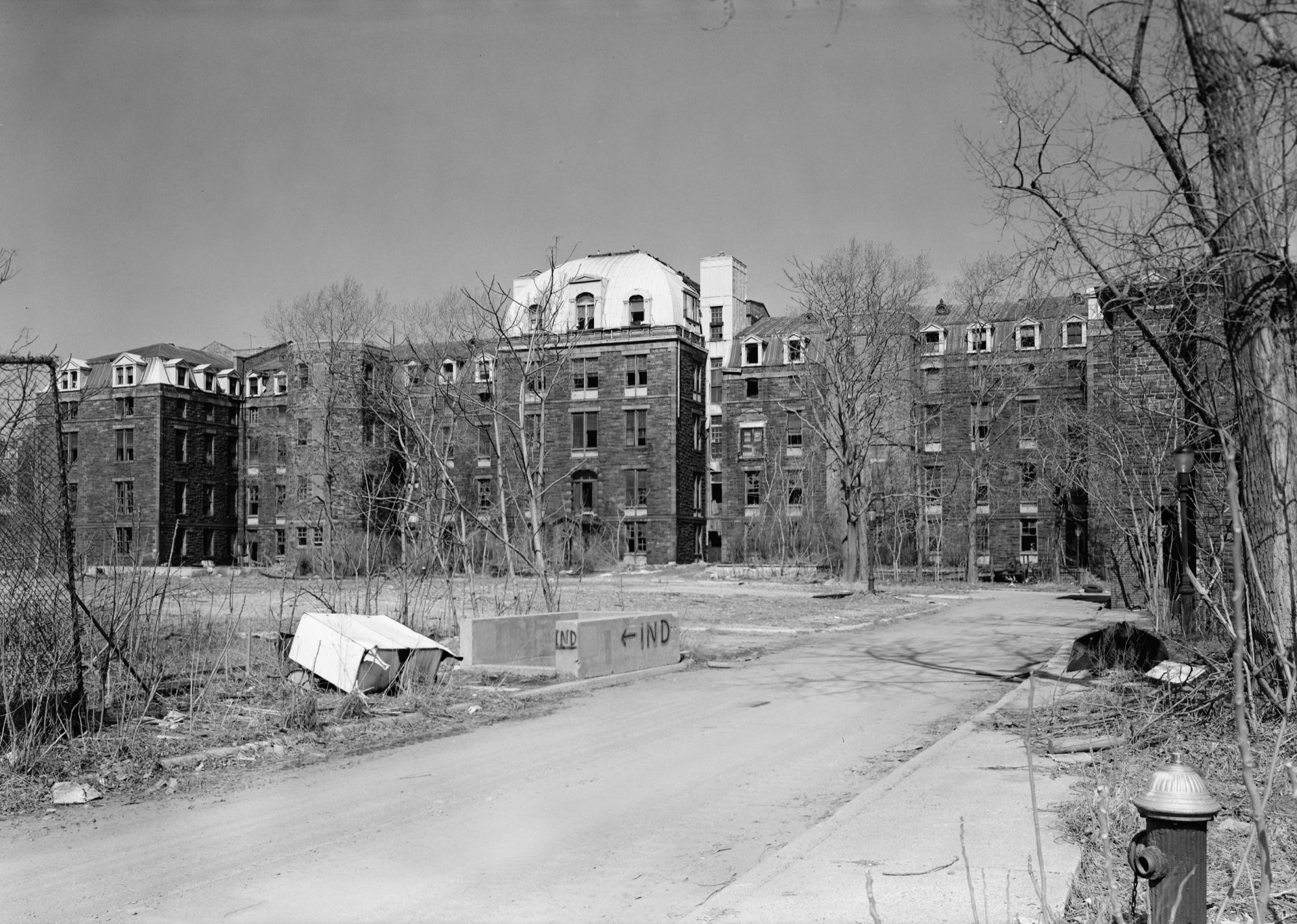
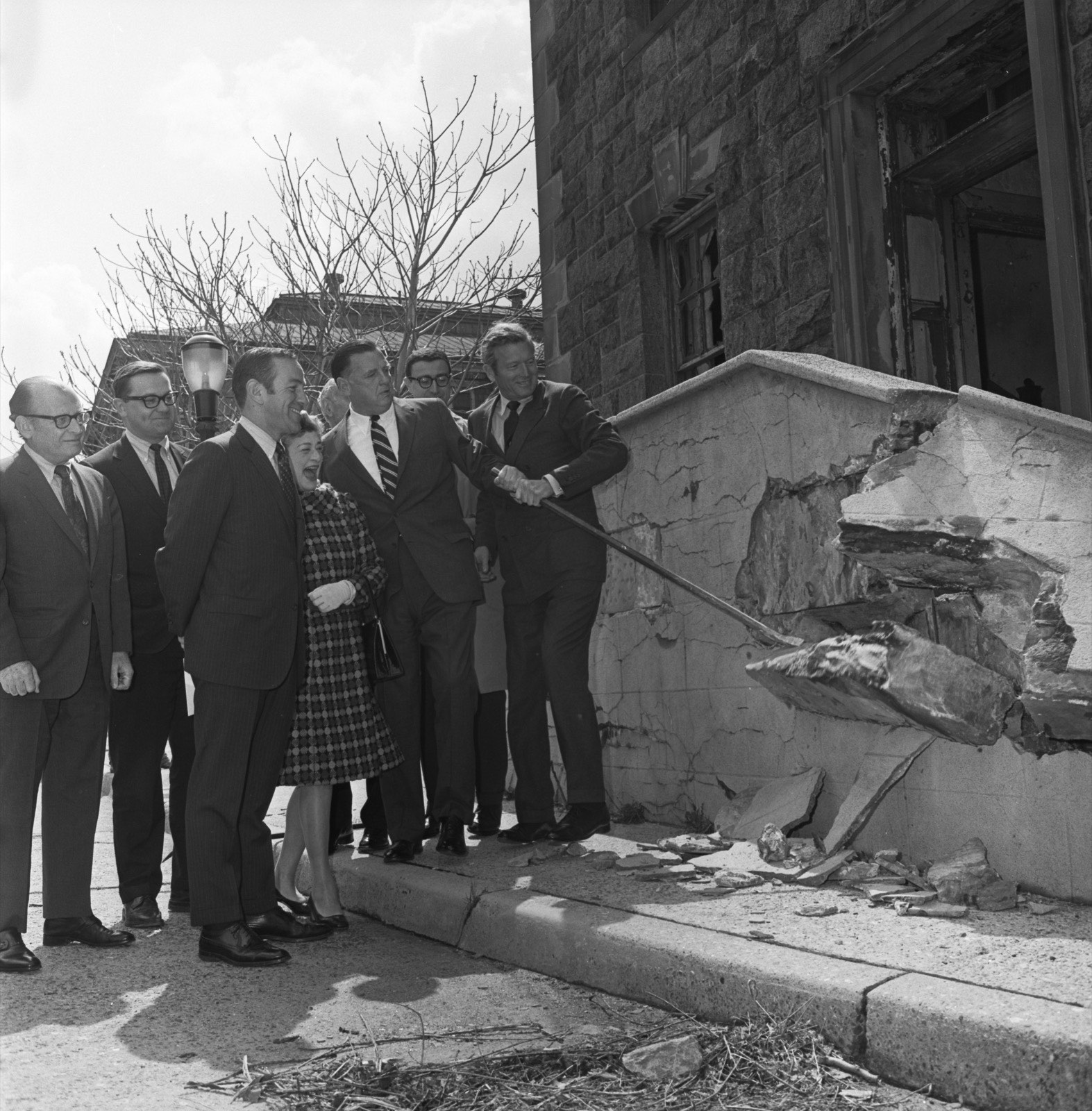
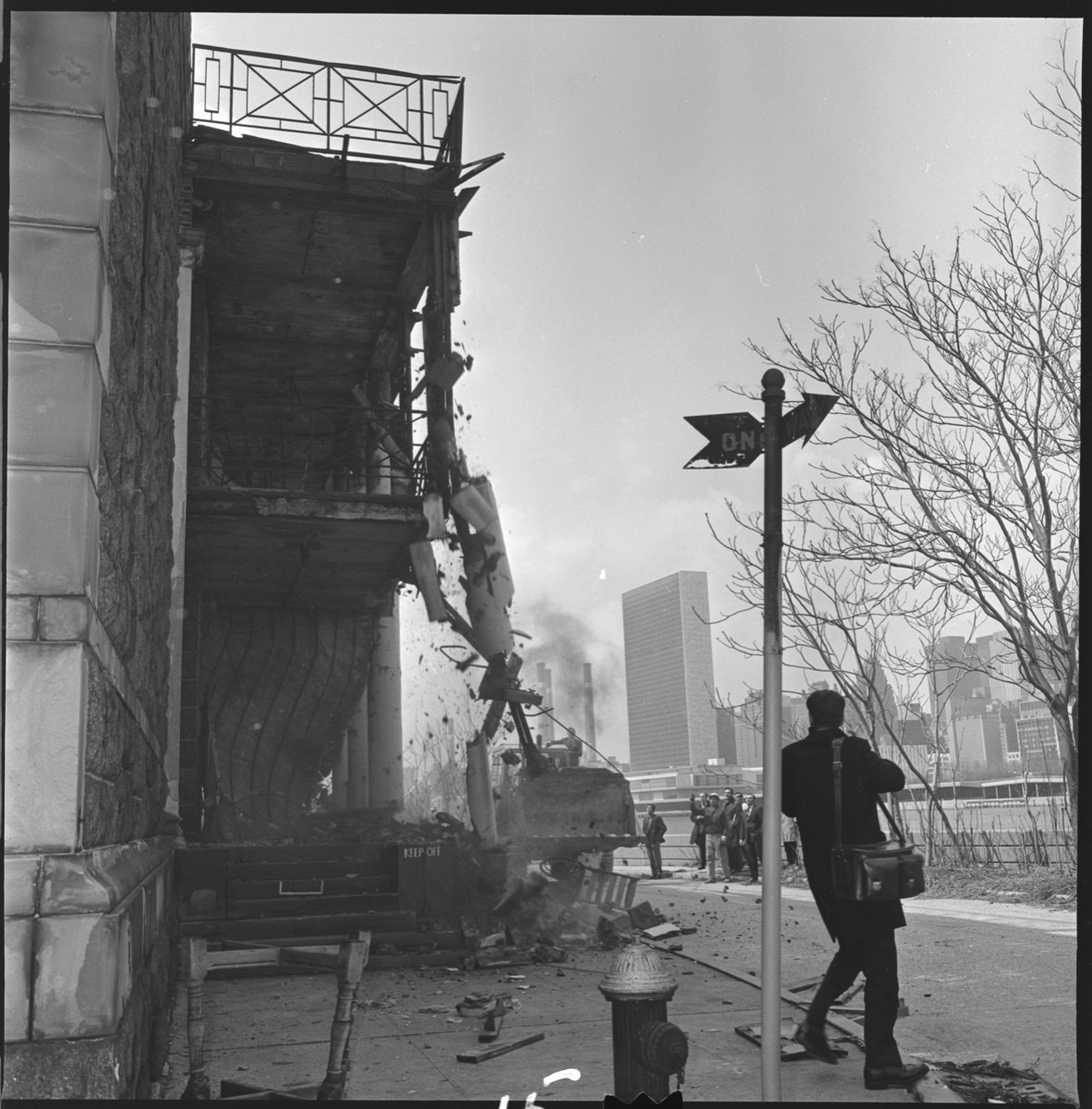
City Hospital, 1970
Metropolitan Hospital
Originally known as the New York City Lunatic Asylum, the institution was renamed "Metropolitan Hospital" in 1894. The administration building, designed by Alexander Jackson Davis, was heralded as an architectural masterpiece and anchored the facility. Female reporter Nellie Bly committed herself to the Asylum in 1887, publishing "Ten Days in The Madhouse" to expose its conditions the same year. Due to overcrowding, major psychiatric facilities were constructed state-wide, and patients would be relocated. With the rebrand, Metropolitan Hospital would transition to more traditional medical practices. Closing in 1955, the century old buildings began rapidly decaying.
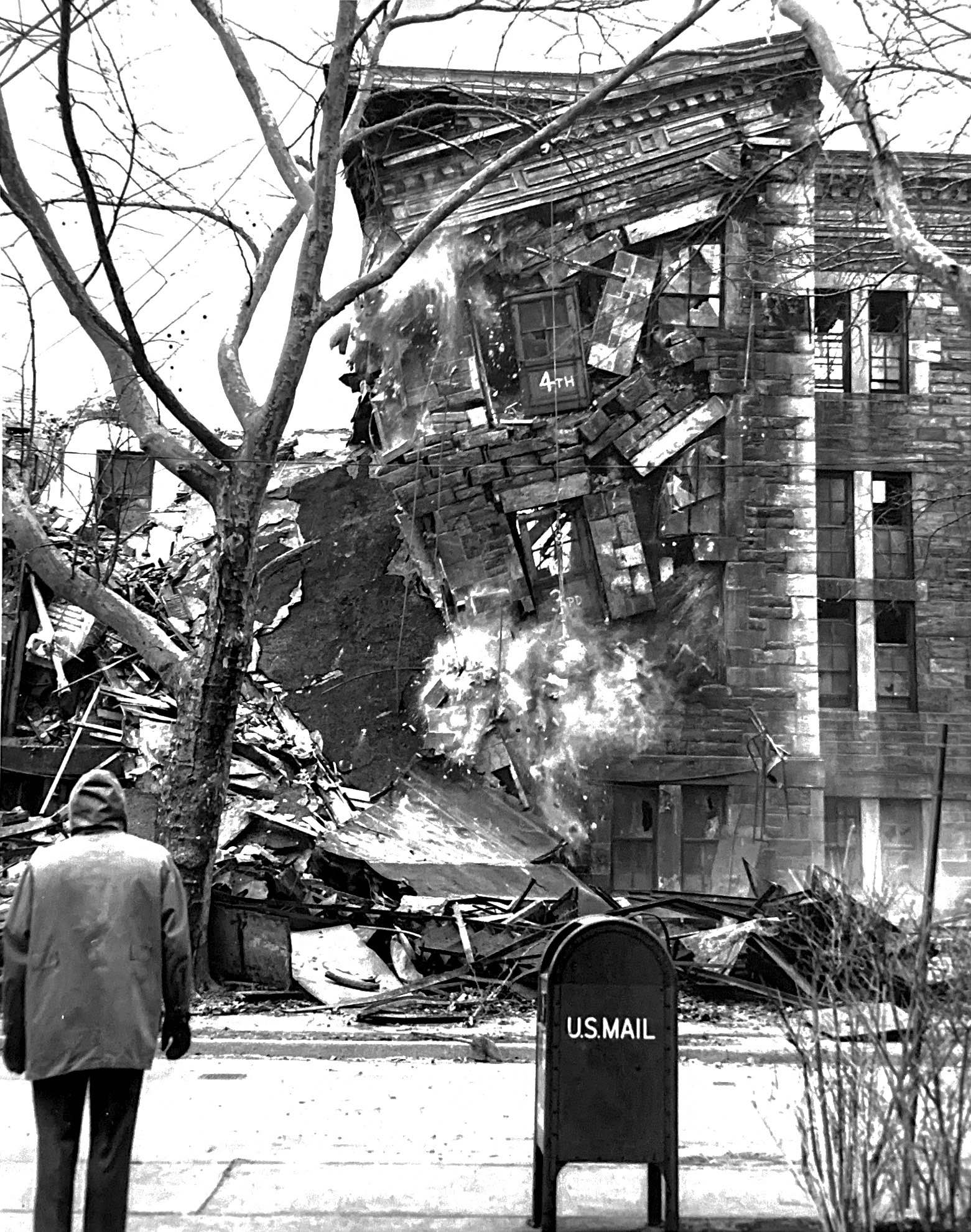
Metropolitan Hospital Demolition, 1968
City Home
Originally known as the Almshouse, City Home took on many different purposes over its existence on Welfare Island. One of the main functions of this institution was as a place for the poor or petty criminals to serve sentences. As time progressed the institution would move toward caring for vulnerable groups such as the blind or troubled adolescents. Shuttering in 1953, City Home's remaining patients were dispersed to other facilities and by 1969 the campus sat abandoned apart from the repurposing of some structures for the FDNY Training Facility and the NYU Primate Colony.
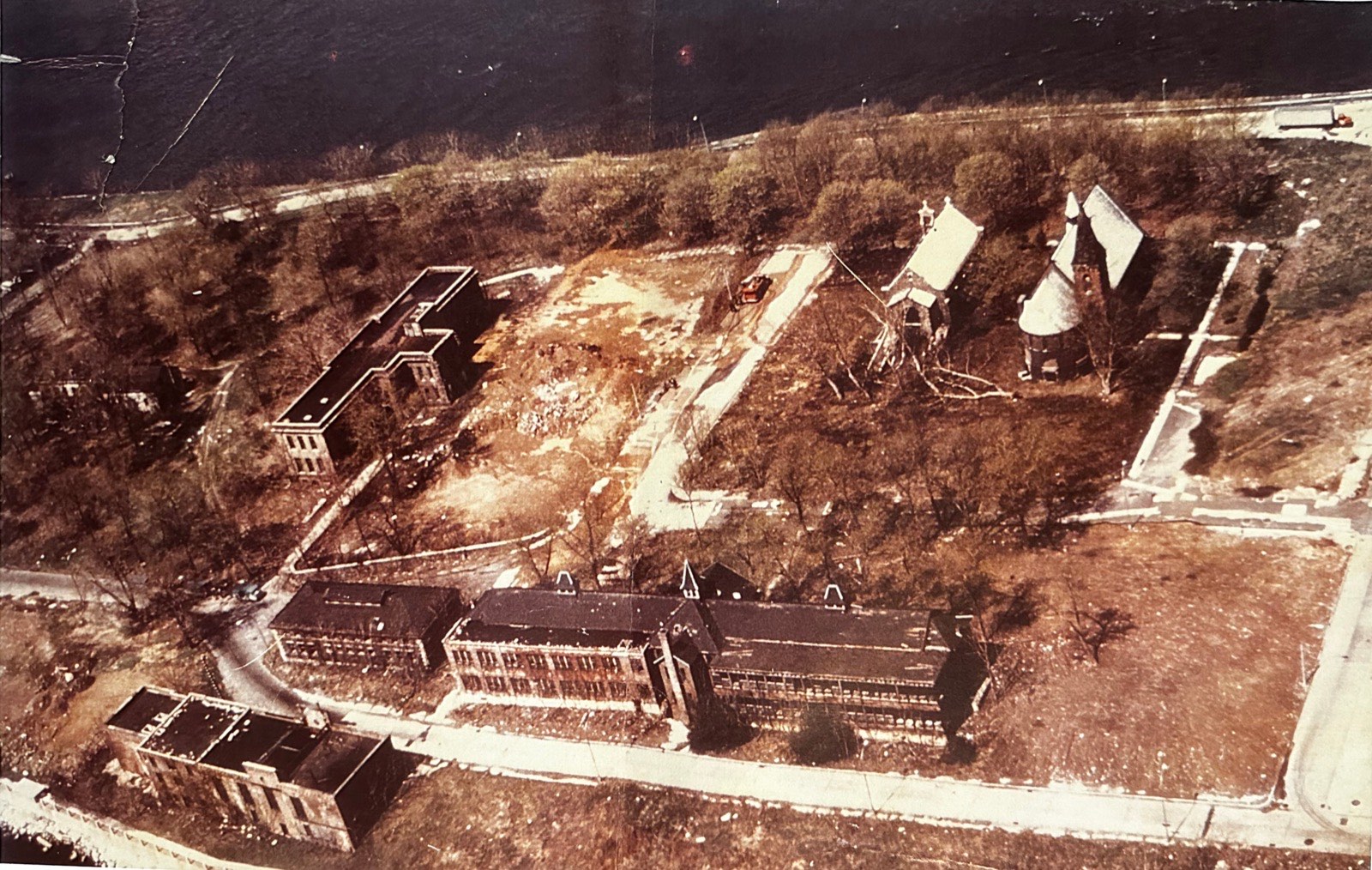
City Home, 1966